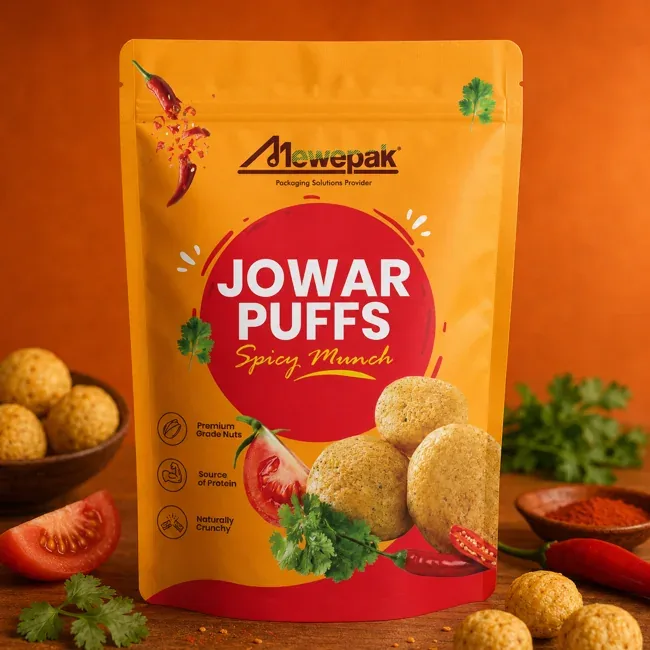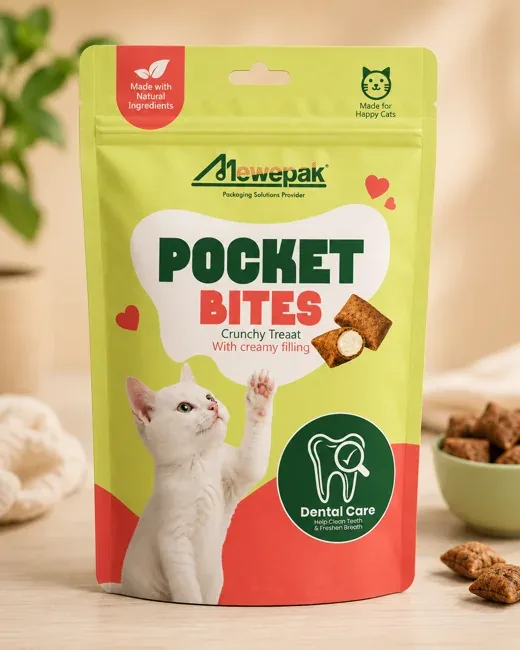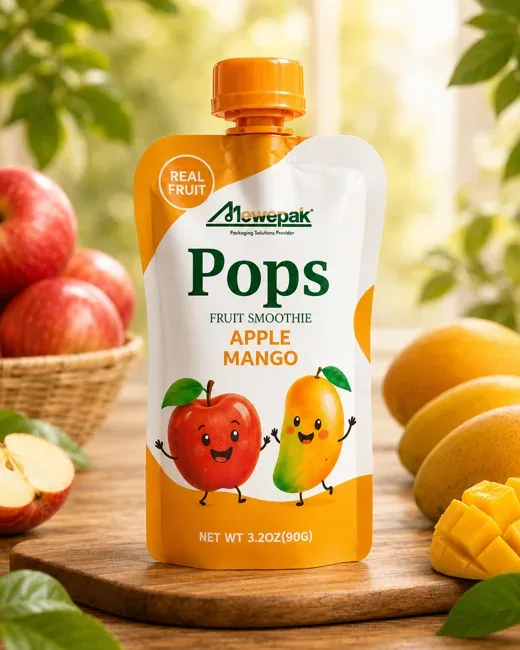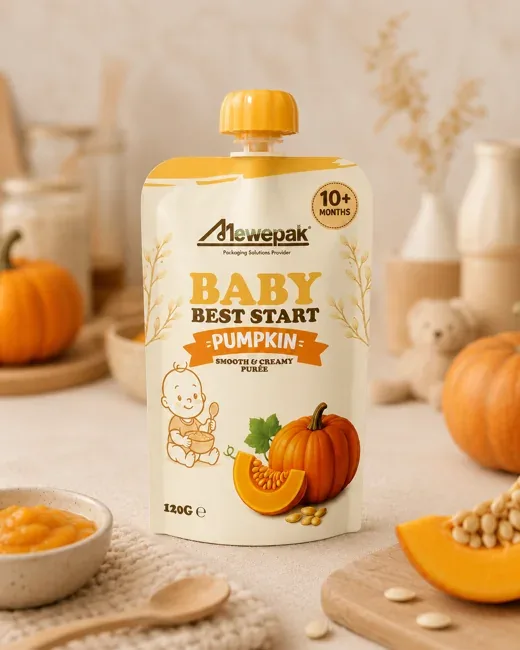
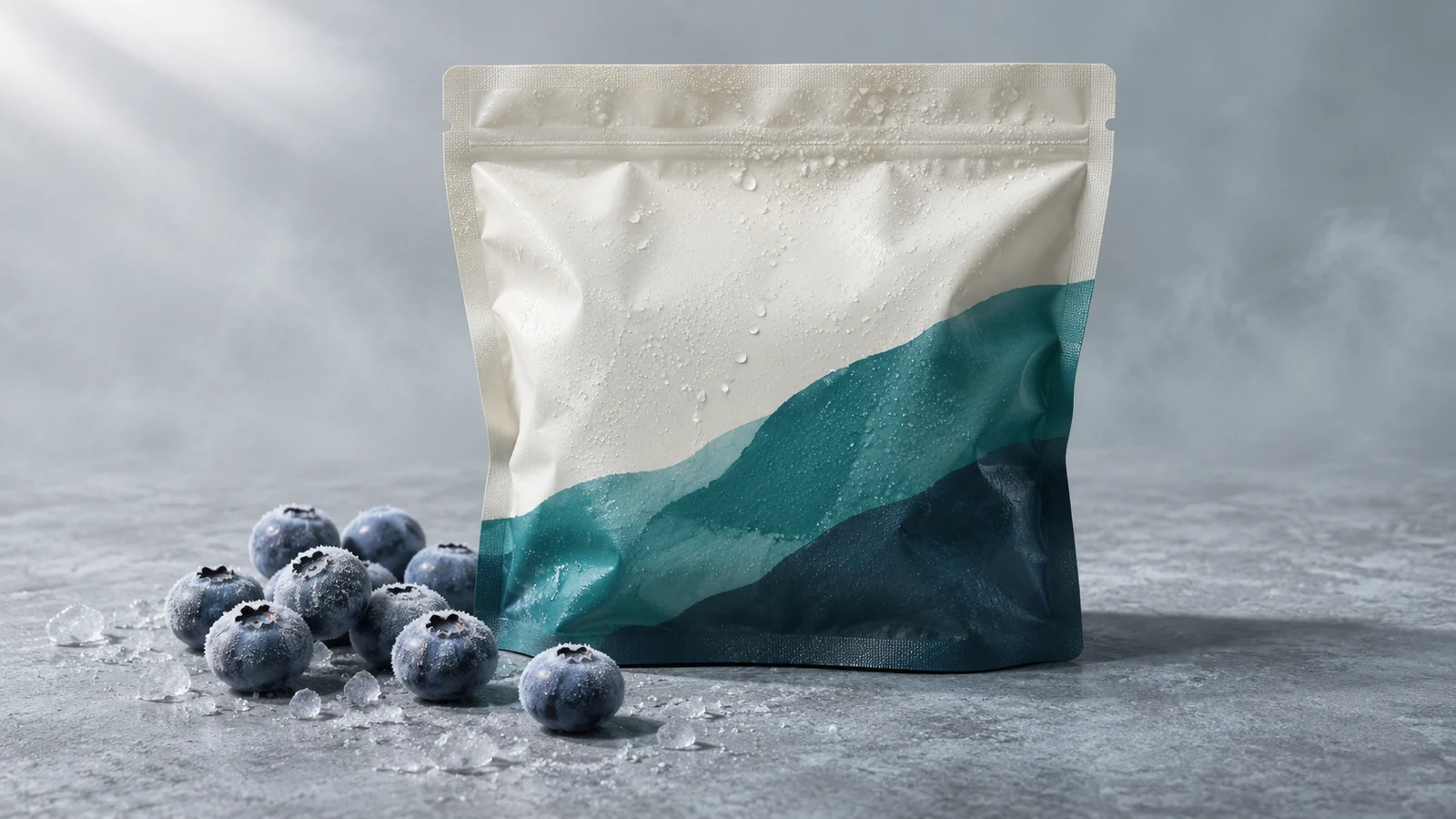
A pouch for frozen fruit has a different job from a pouch for chilled sauce. Frozen pieces can push against film when a case is dropped. A wet chilled product can leave residue where the pack needs to seal. Start with the product and the journey it takes, from filling to the customer's freezer or refrigerator.
Write down the cold-chain conditions
Record the temperature at filling, how the product is cooled or frozen, the intended storage range, and the expected time in cases and distribution. Add the portion weight, product shape, and whether the customer opens the pack once or uses it over several occasions. For products sold both chilled and frozen, list both use cases so the sample plan can cover each one.
Match the format to how the product is used
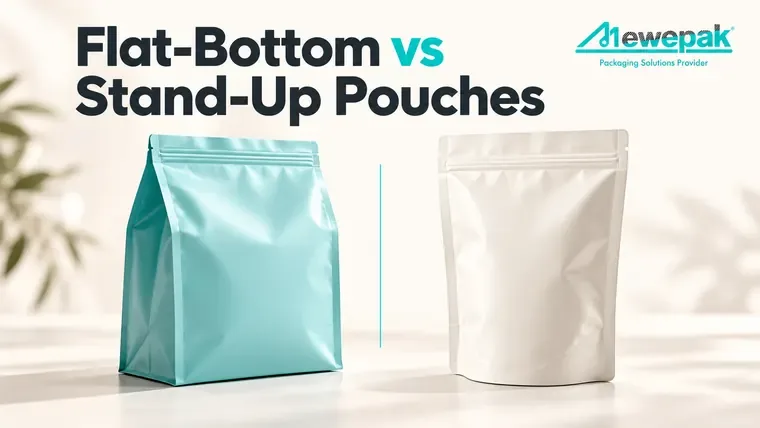
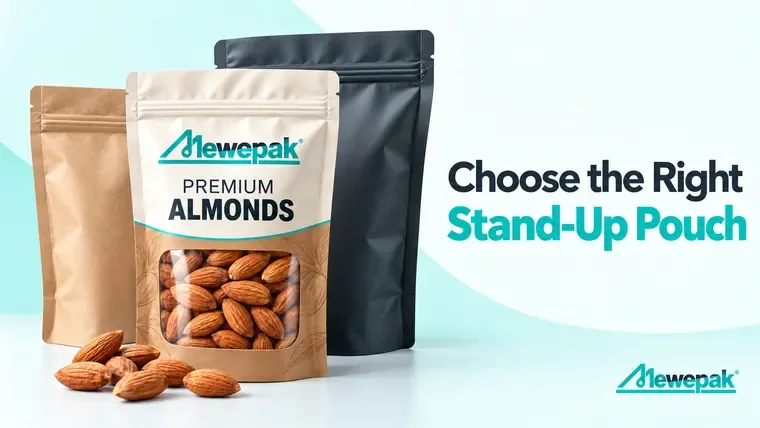
- Frozen berries, vegetables, or bite-size portions. Consider a stand-up pouch for multi-serve retail and a zipper if customers will return the pack to storage. Check whether the product can be poured easily through the available opening.
- Single portions or bulk case packing. Compare a flat pouch or rollstock made on the filling line. Ask the co-packer about workable film width, seal placement, label area, and case orientation.
- Chilled sauces and other wet fills. Confirm the filling method and seal area with the co-packer. If the product needs controlled pouring, compare fitment options on a filled sample and check cap handling.
Compare film and seal performance together
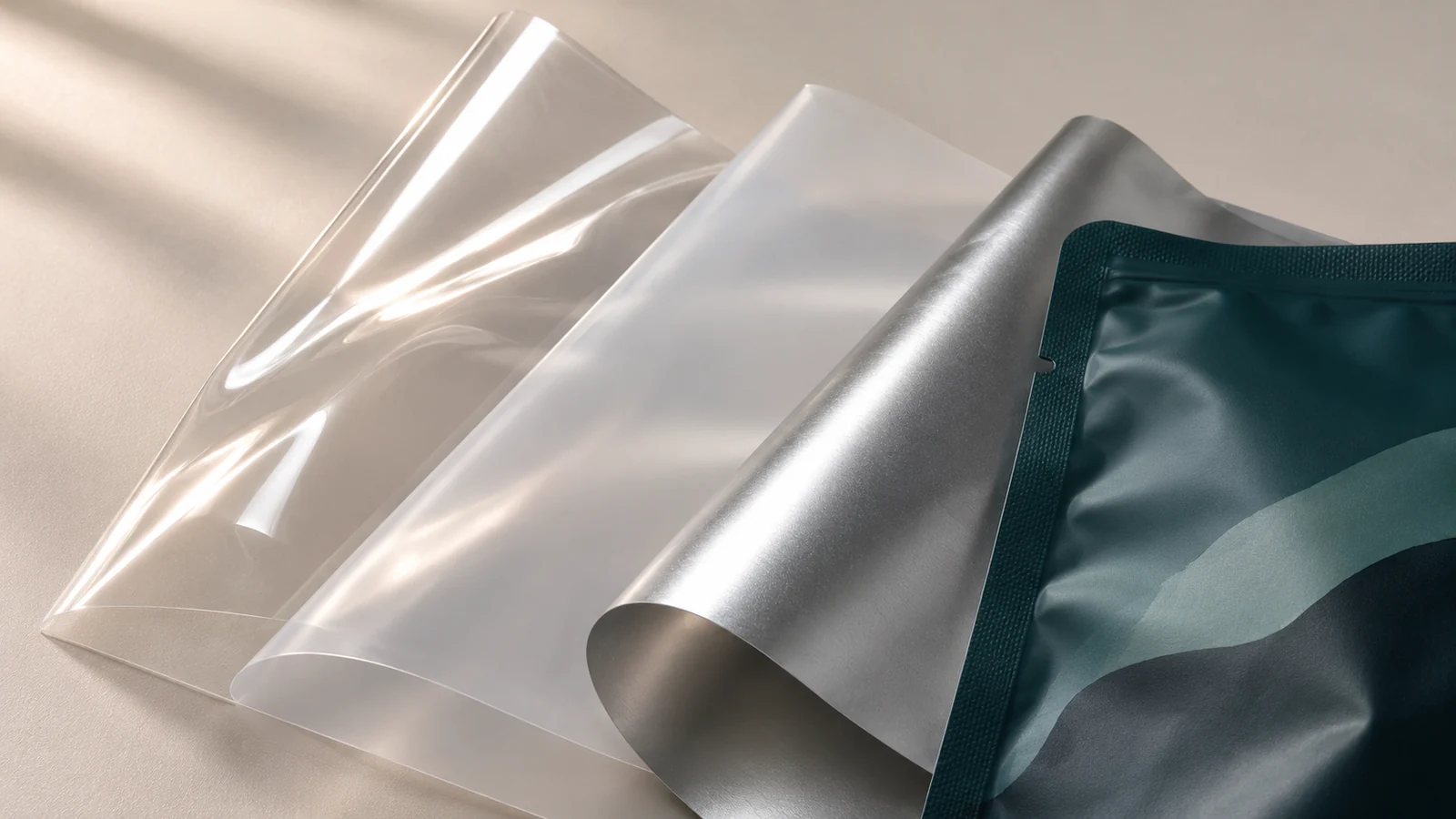
Discuss low-temperature flexibility, puncture resistance, and water-vapor barrier with the packaging supplier. Sharp frozen pieces may drive puncture performance, while long freezer storage may make moisture loss more important. Ask for test conditions with any film data and use the actual product to assess whether seals remain consistent after filling, conditioning, and handling. ASTM F88/F88M describes a seal strength test for flexible barrier materials.
Test a filled case before approving the print run
Sample the planned fill weight, closure, and case pack. Check for leaks, tears, weak seals, and scuffing after temperature conditioning and representative case handling. Review opening and pouring with the pack at its intended use temperature. Confirm code and label readability after condensation or frost. Share results with quality and production so the approved film, dimensions, and seal arrangement are recorded in one spec.
See packaging for the frozen-food market and flat pouch formats when preparing options for a sample run.