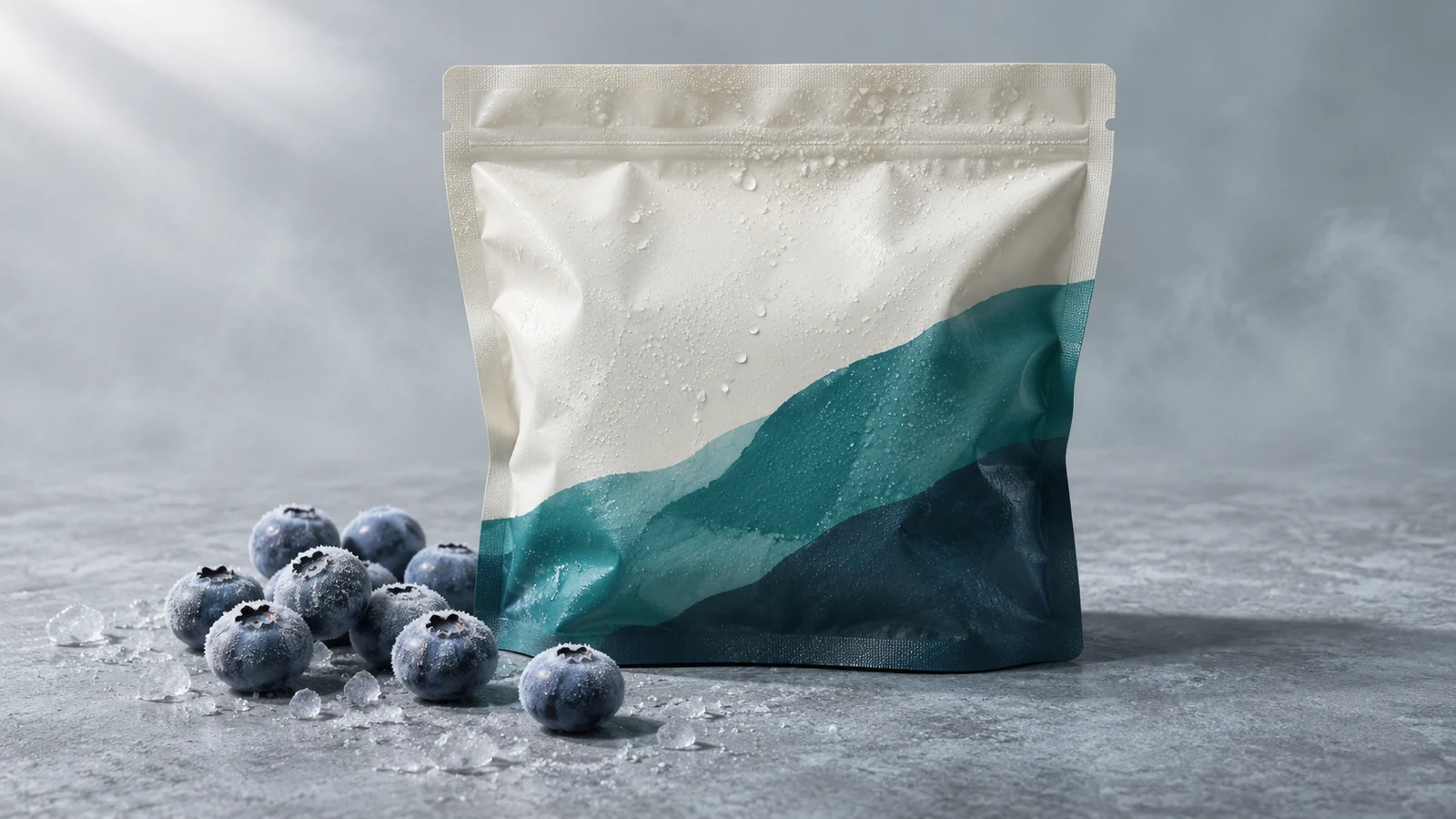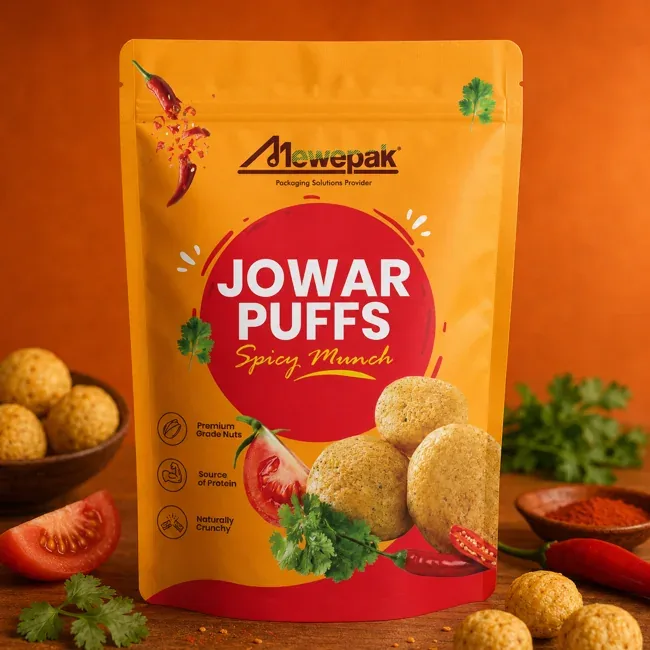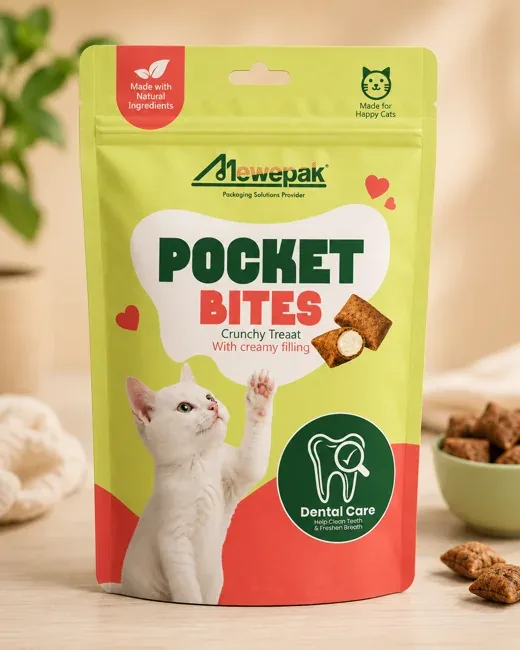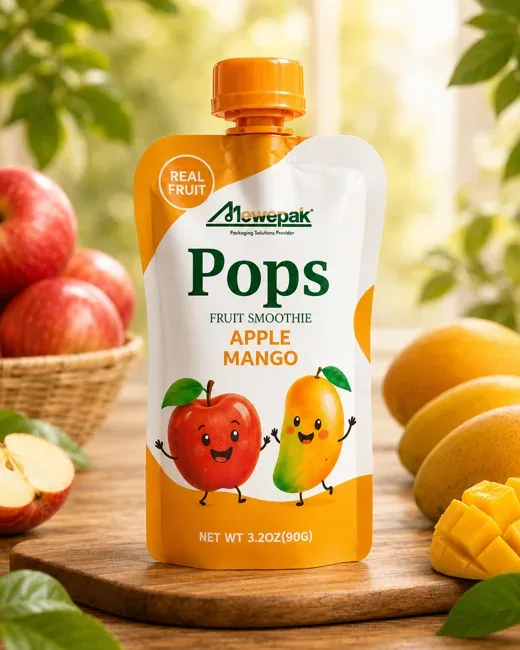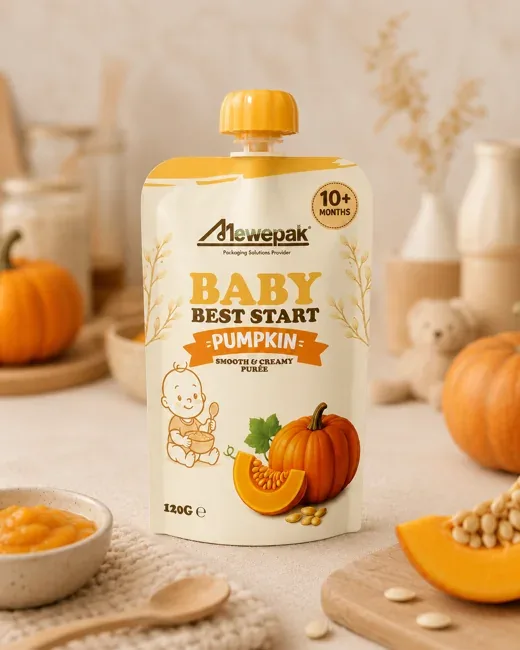
Barrier selection starts with identifying what makes your product lose quality. A crunchy snack may soften as it takes up moisture. A dry powder may clump. Coffee, nuts, or other aroma-sensitive products may need attention to oxygen exposure. Establish the intended shelf life and storage conditions before comparing film options.
Ask for figures you can compare
Oxygen transmission rate (OTR) indicates the amount of oxygen that can pass through a film under stated conditions. Water vapor transmission rate (WVTR) measures water vapor transfer. Request the value, units, temperature, relative humidity, and film thickness with every quote. Ask whether the sample was an individual layer, the complete film structure, or a finished pouch. ASTM D3985 and ASTM F1249 describe film test methods for oxygen and water vapor, respectively.
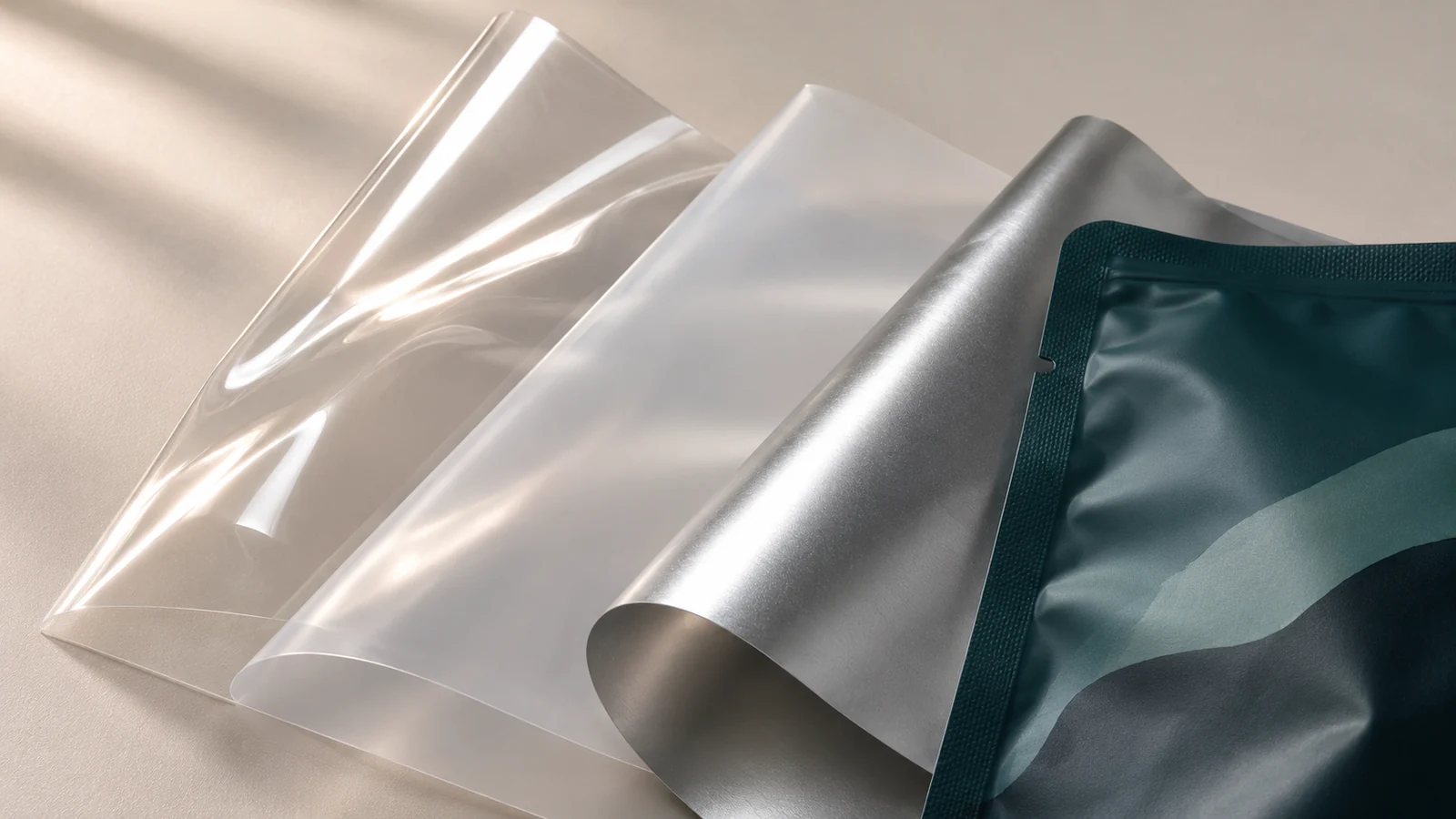
Compare how different layers solve the brief
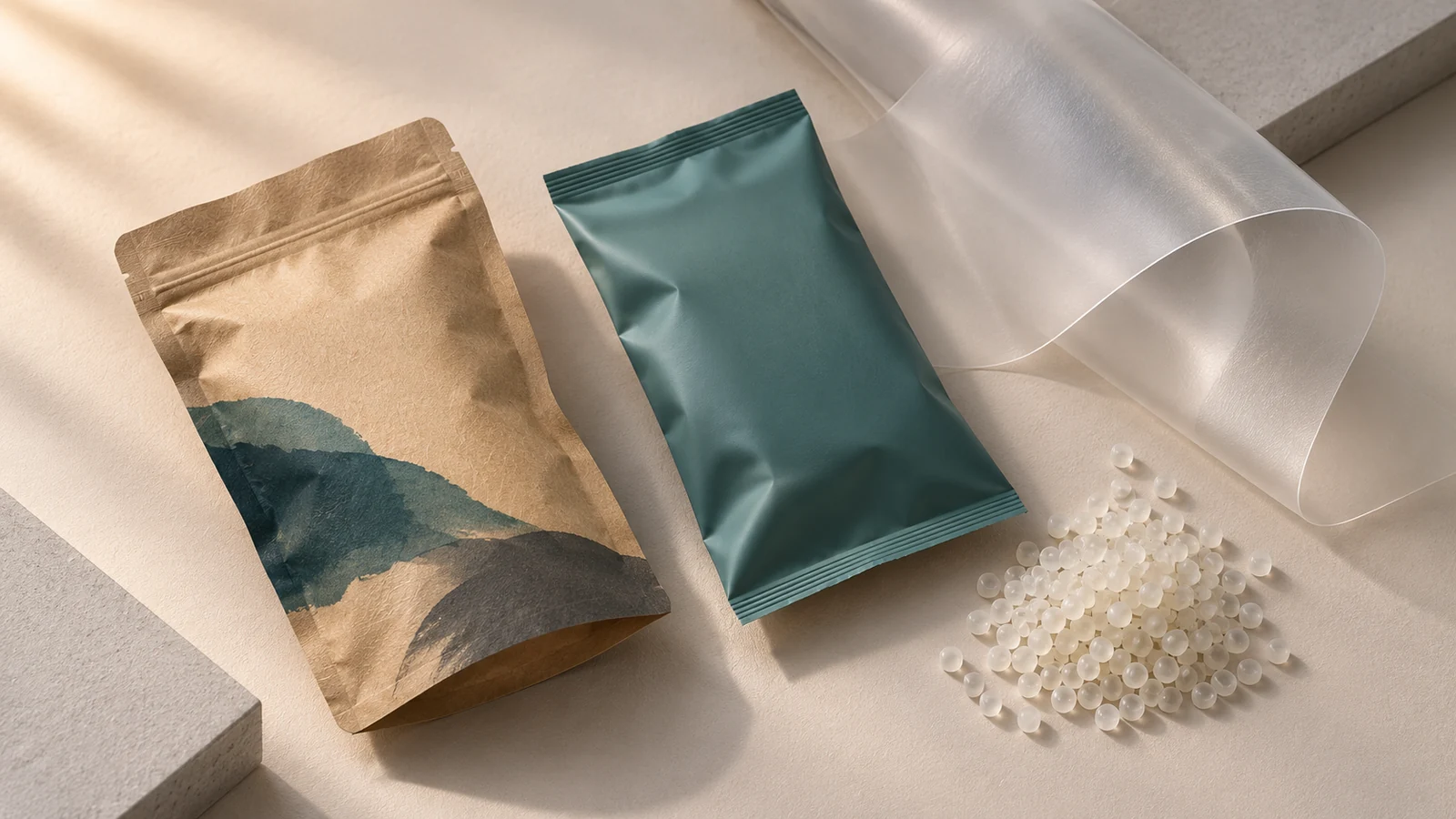
- Polymer layers. Standard films can be combined for printability, toughness, and sealing. Transparent barrier coatings or layers may help where visibility is required.
- Metallized films. Consider when opacity and light protection fit the design. Review the laminate's measured performance and check for damage after converting or handling.
- Foil laminates. Compare when oxygen, moisture, and light protection are central to the brief. Evaluate creasing, puncture risks, and any trade-offs for end-of-life requirements.
- EVOH-containing structures. Ask how the complete laminate performs at the expected humidity and what the barrier layer means for the intended recycling stream.
Confirm performance on the filled pack
A good film measurement is one input. The top seal, bottom gusset, zipper, valve, or spout can affect the performance of the package. Test the pack filled on the intended line and examine it after the handling and storage conditions in the product brief. Use shelf-life results to confirm which candidate meets the target before finalizing the specification.
For a product-specific example, see the coffee barrier film guide.