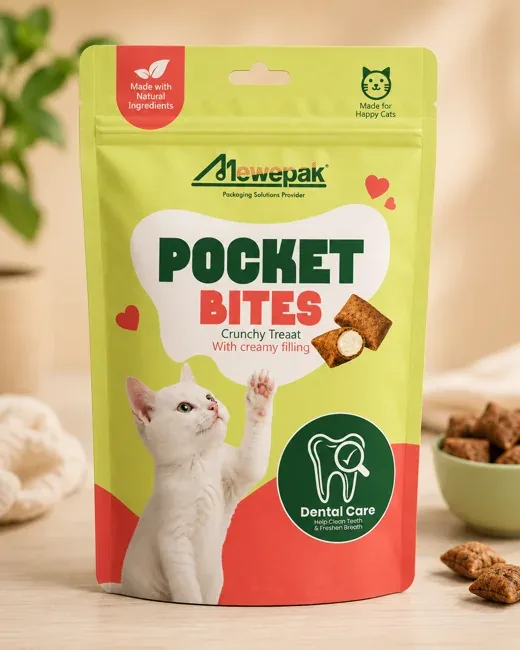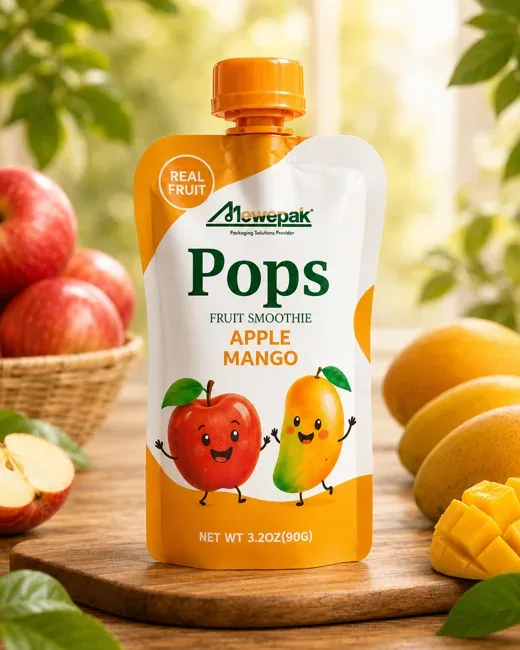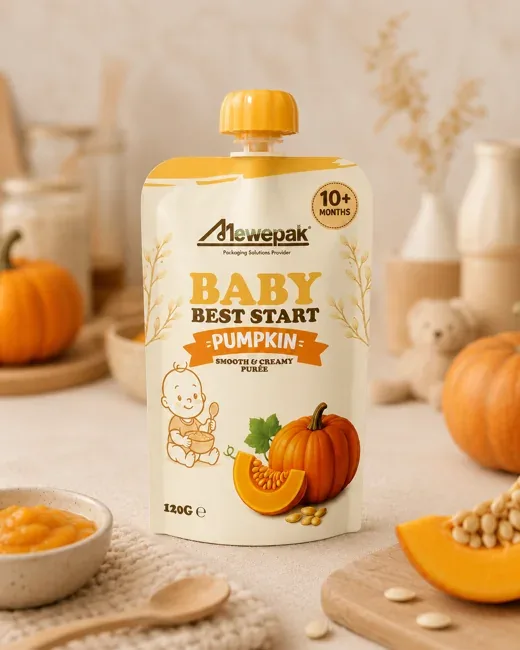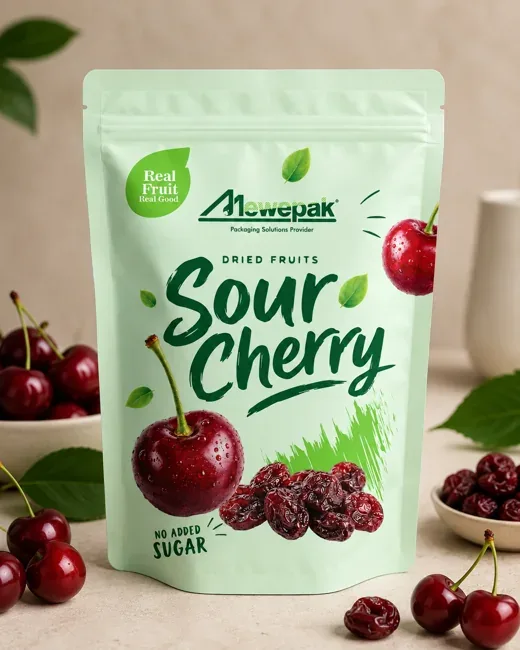
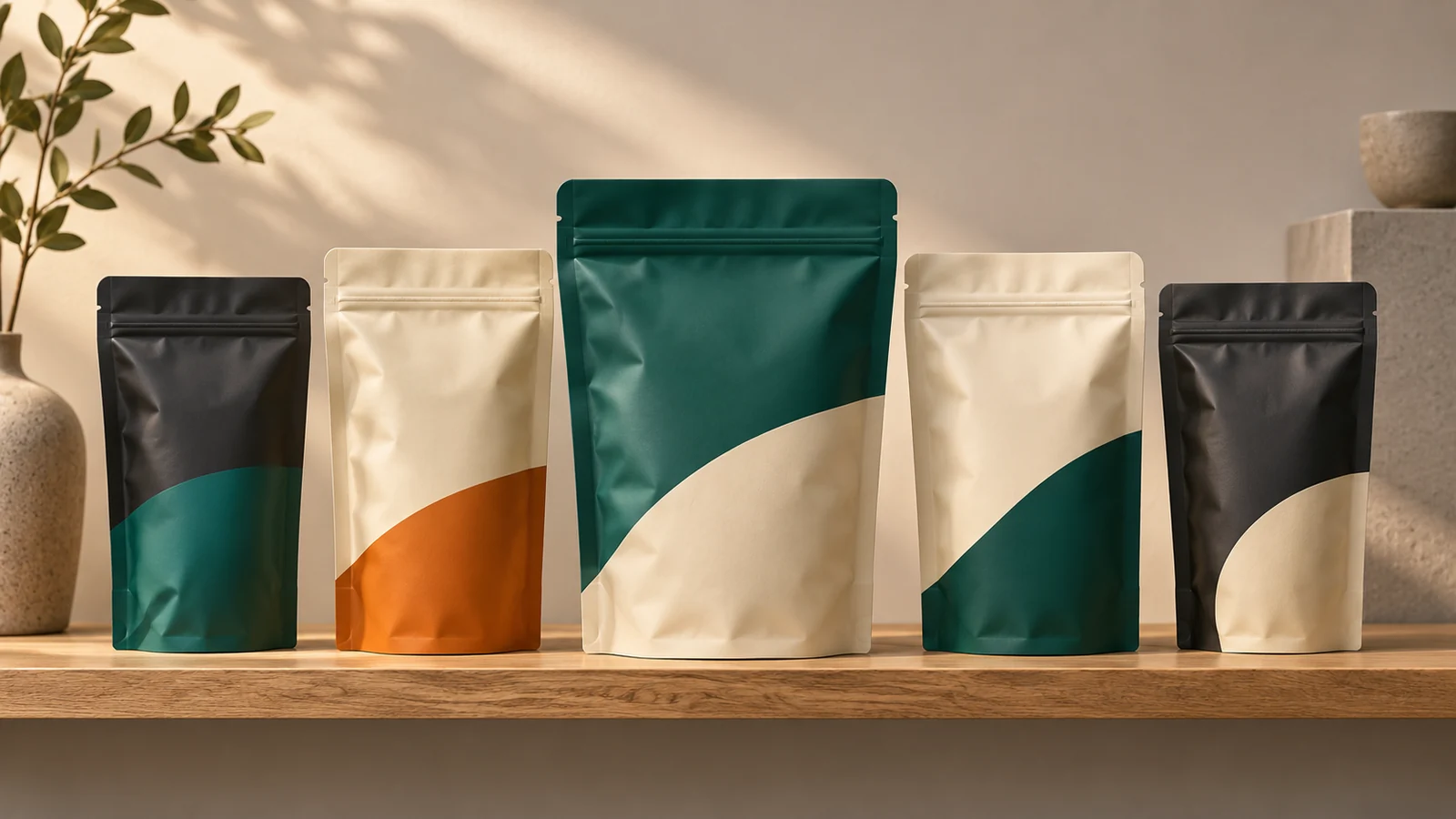
Shelf impact starts with quick recognition. A customer should be able to tell what the product is, distinguish it from the next flavor, and pick it up without hunting for information. Use these ten checks when designing artwork for flexible packaging.
Ten checks for the front panel, dieline, and print proof
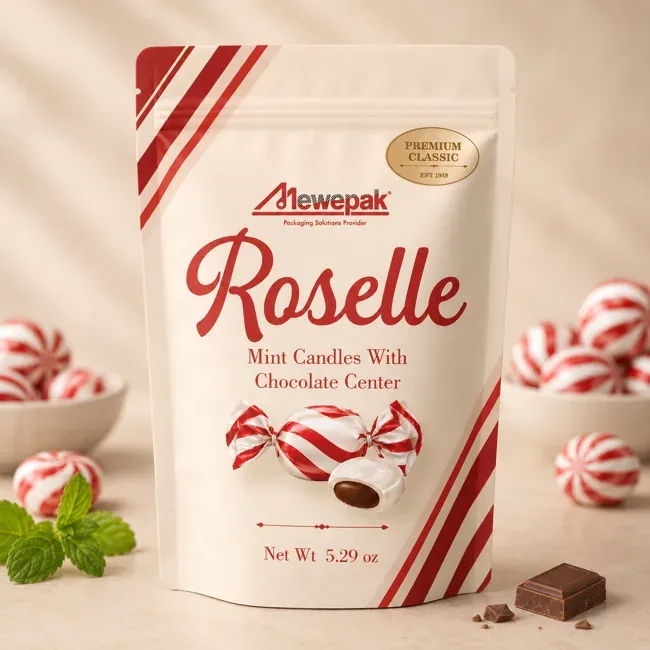
- Make the product name obvious. Put the most useful words where a shopper can find them quickly. Compare printed mockups from normal shelf distance.
- Keep a clear order. Give the product name, variant, and key details different visual weight. Check what people notice first in a quick glance.
- Use color to distinguish variants. Keep the family layout consistent and repeat the flavor or formula name in text so color is one cue among several.
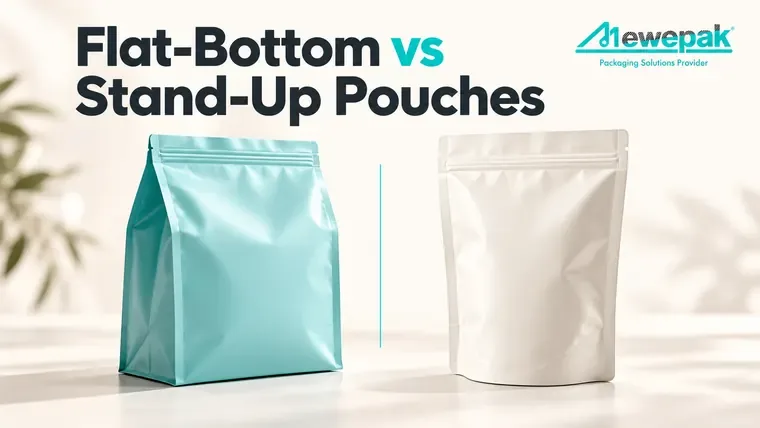
- Design around the filled shape. Put the mockup on a pouch with the target fill weight. Adjust text that bends across the curve or disappears near the bottom.
- Respect seals and folds. Use the production dieline and keep important copy clear of zipper tracks, seals, gussets, and trim areas.
- Reserve the coding space early. Mark where the lot and date codes will be printed so the location stays readable after filling and closing.
- Check the barcode on film. Verify it on a finished print sample at the intended size. Review contrast and placement away from pronounced curves or seams.
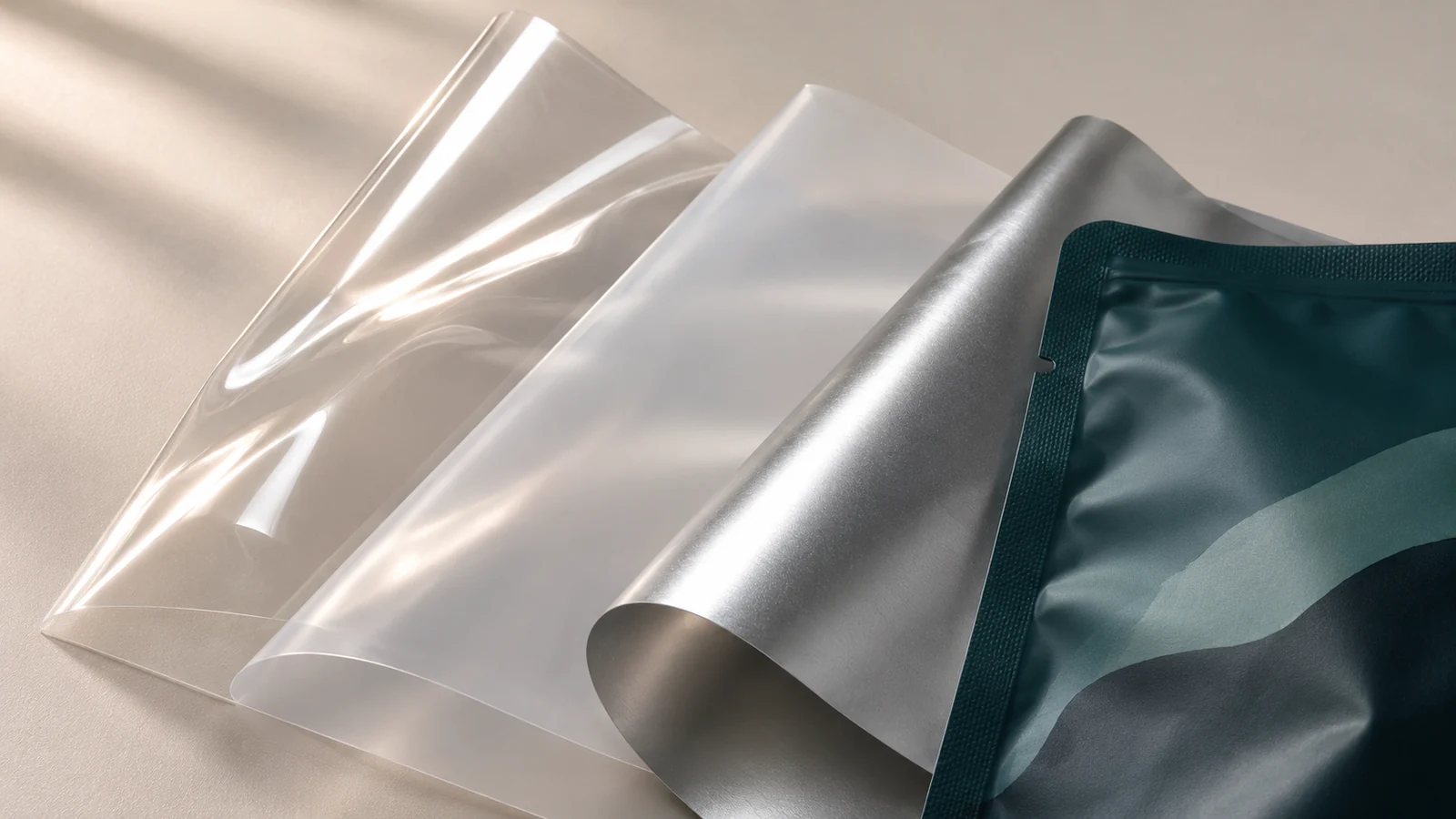
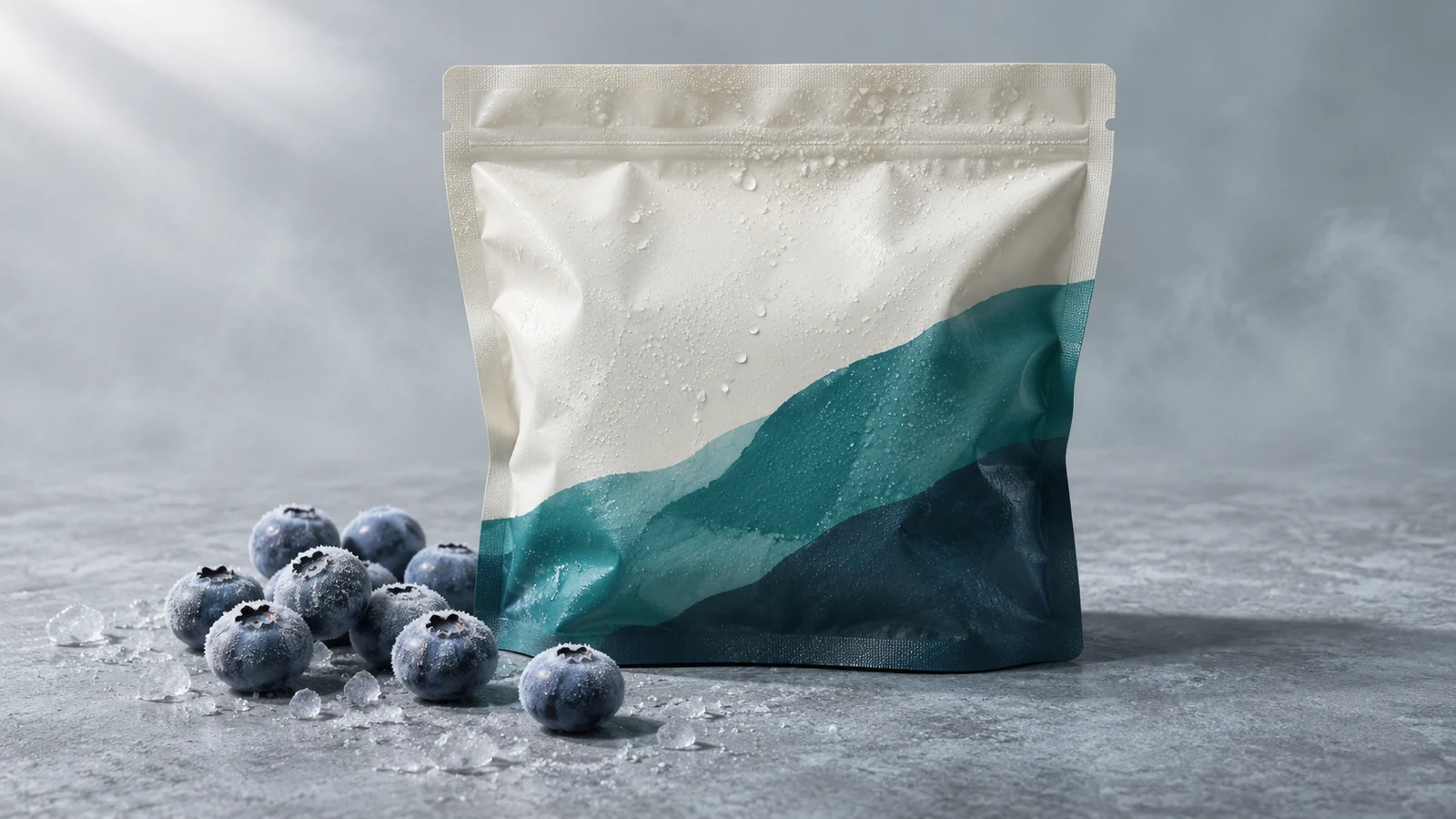
- Proof finishes under store lighting. Gloss, matte, and metallic effects respond differently to shelf lights. Check important dark and light details on a physical sample.
- Plan the window with the product inside. Look at how crumbs, uneven fill levels, or settling change the view. Confirm the window location with the supplier.
- Review the same pack online. Use a front-facing mockup at a small thumbnail size. Make sure the product and variant are legible without zooming.
Approve a physical sample
Put the printed trial next to related SKUs, photograph it on a shelf and check it in hand. Share one set of annotated images with design, production, and quality so the final corrections are agreed before print. The 3D preview can help you spot early layout issues before the physical proof.