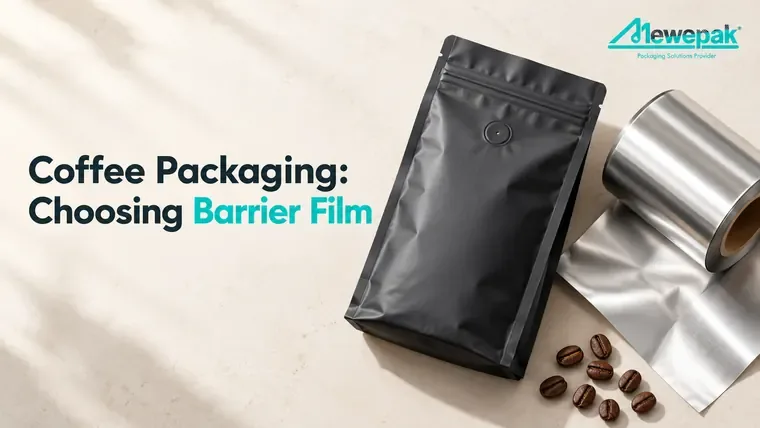
Coffee is one of the most demanding products in flexible packaging. Roast-fresh aroma, delicate oils, and volatile flavor compounds all degrade quickly when exposed to oxygen, moisture, and light. Choosing the right barrier film is the single biggest decision that determines how long your coffee stays fresh on the shelf. This guide walks buyers through the barrier structures, valve options, and format choices that keep specialty and commodity coffee at its best.
Why coffee needs a high-barrier structure
Freshly roasted coffee releases carbon dioxide for days after roasting while simultaneously being vulnerable to oxygen ingress. A weak barrier lets oxygen in and aroma out, producing stale, flat coffee within weeks. The packaging film therefore has to do two jobs at once: block oxygen and moisture from entering, and manage the CO2 the beans give off.
The three enemies of fresh coffee
- Oxygen — oxidizes coffee oils and destroys aroma. The most damaging factor for flavor.
- Moisture — causes clumping in ground coffee and accelerates staling.
- Light — UV exposure breaks down delicate flavor compounds over time.
Common barrier film structures for coffee
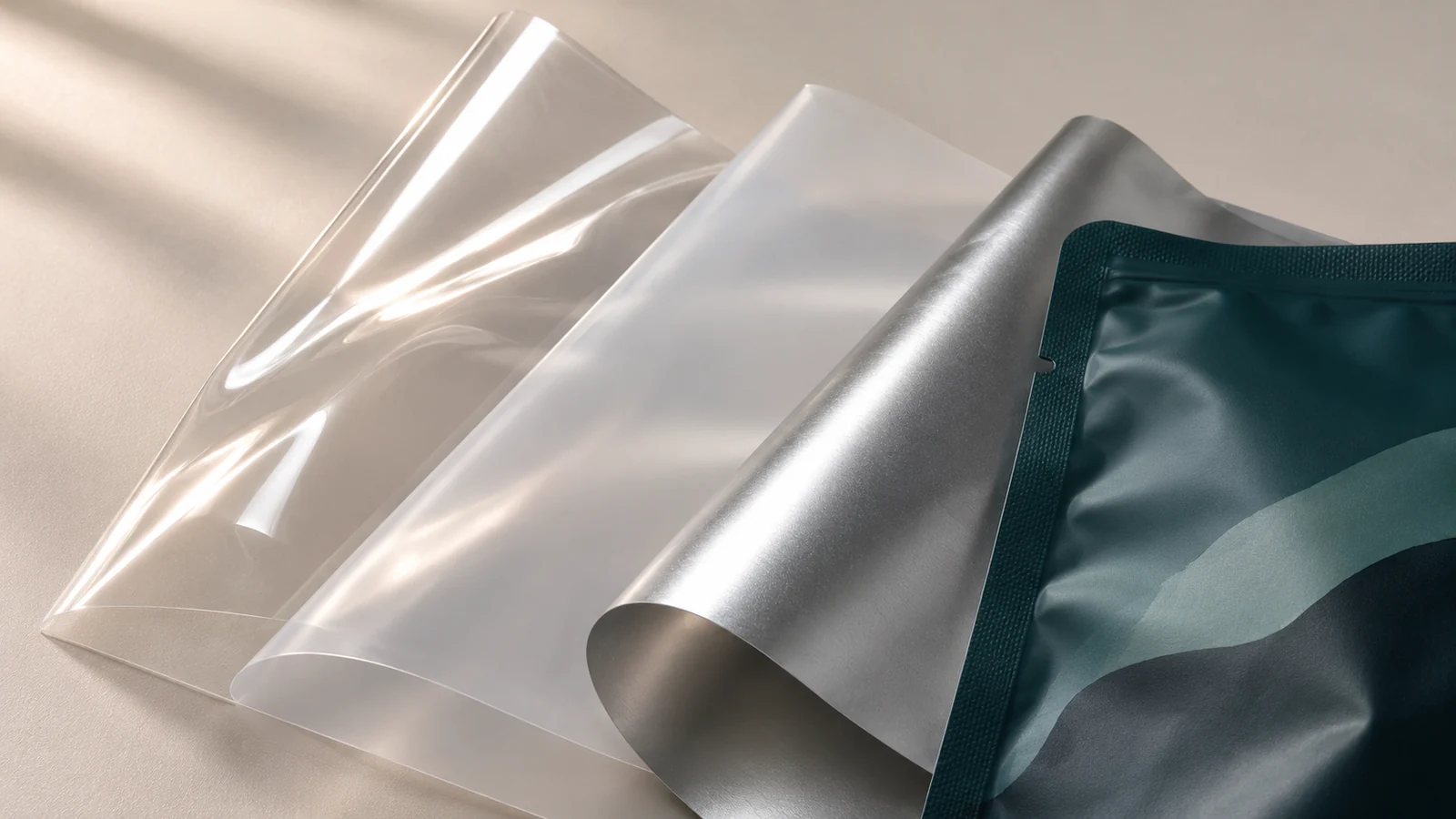
Coffee pouches are built from laminated multi-layer films, where each layer contributes a specific property. The outer layer carries the print and gives the pack its finish; a middle barrier layer blocks oxygen and light; and an inner sealant layer bonds the pouch together and keeps it food-safe. The barrier layer is where the real decision lies.
- Aluminum foil laminate — the highest barrier available, blocking oxygen, moisture, and light almost completely. Ideal for premium whole-bean and long shelf-life exports.
- Metalized film (VMPET) — a lower-cost, lighter alternative that still delivers strong oxygen and light protection for mainstream retail coffee.
- Clear high-barrier (transparent PET/AlOx) — used when a brand wants a product window while retaining a functional barrier.
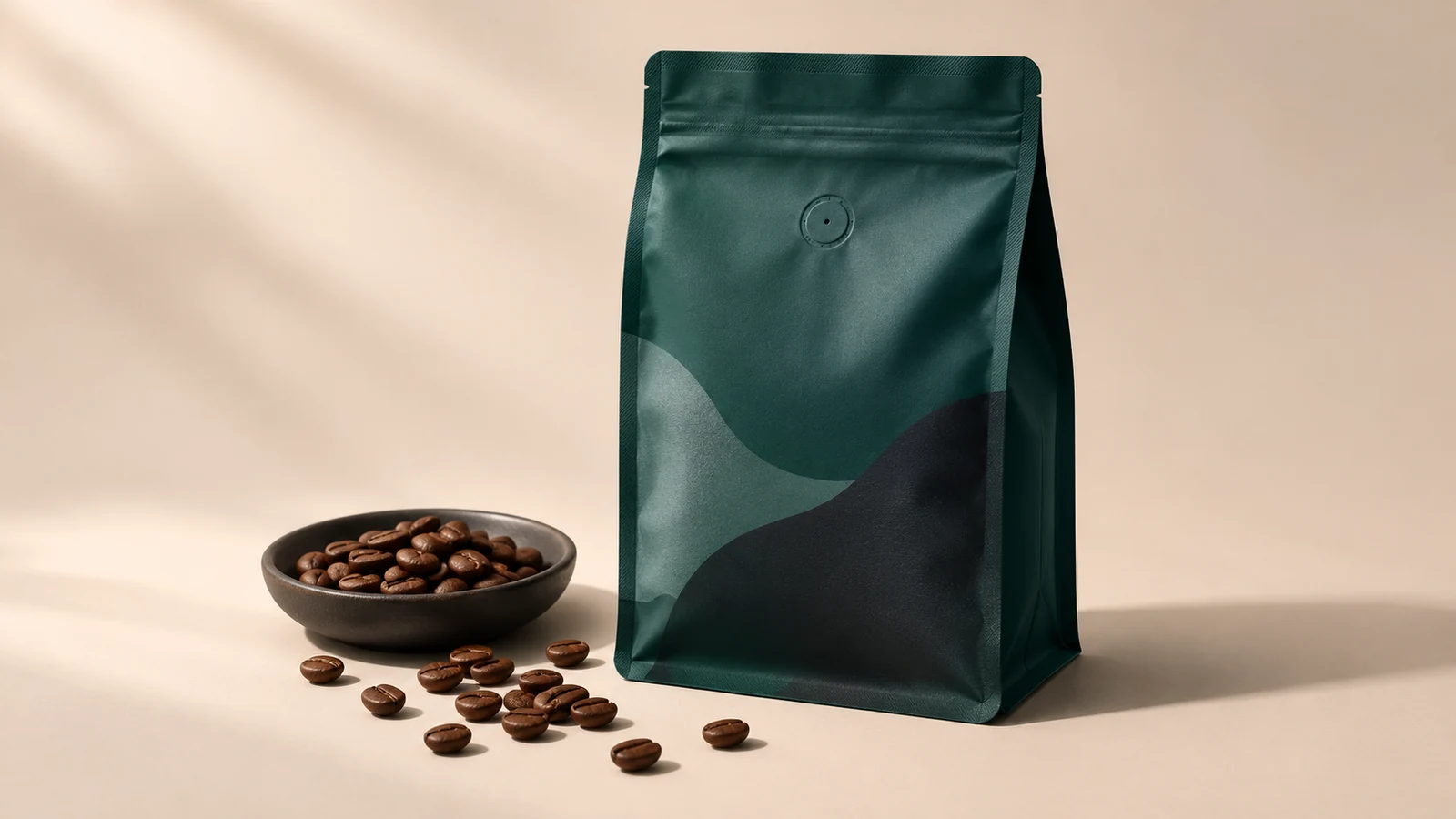
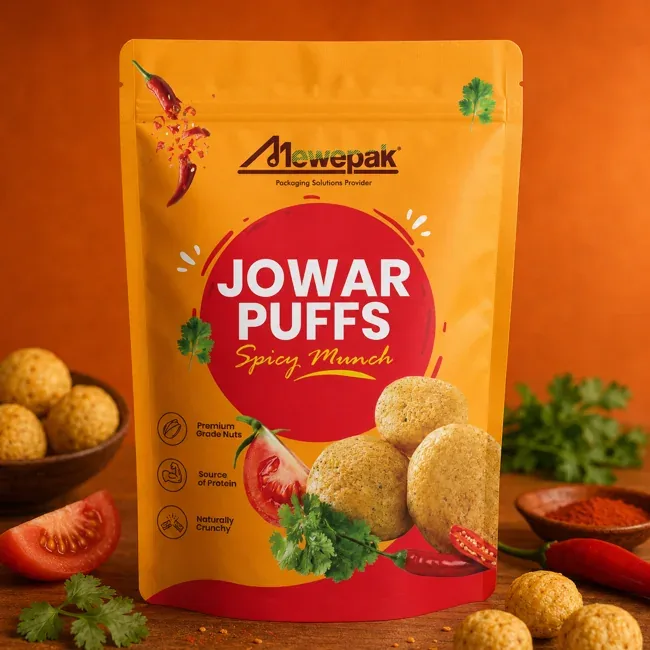
For most specialty coffee brands, a matte or gloss laminated pouch with a foil or high-metalized barrier hits the right balance of freshness protection and shelf appeal. You can see the upright, gusseted formats these structures are built into on our stand-up pouch range.
Do you need a one-way degassing valve?
Freshly roasted coffee off-gasses CO2 for up to two weeks. Sealed into a high-barrier pouch with no way to release that gas, the pack swells and can eventually burst. A one-way degassing valve solves this: it lets CO2 escape while preventing oxygen from getting back in.
If you are packing coffee within a few days of roasting — as most specialty roasters do — a valve is essential. If your coffee is fully degassed before filling, or you are packing ground coffee that has already released most of its gas, you may be able to skip it. When in doubt, spec the valve; the cost is small relative to the risk of blown packs in transit.
Choosing the right pouch format
Barrier is only half the equation — the pouch format shapes how the coffee presents and functions on shelf:
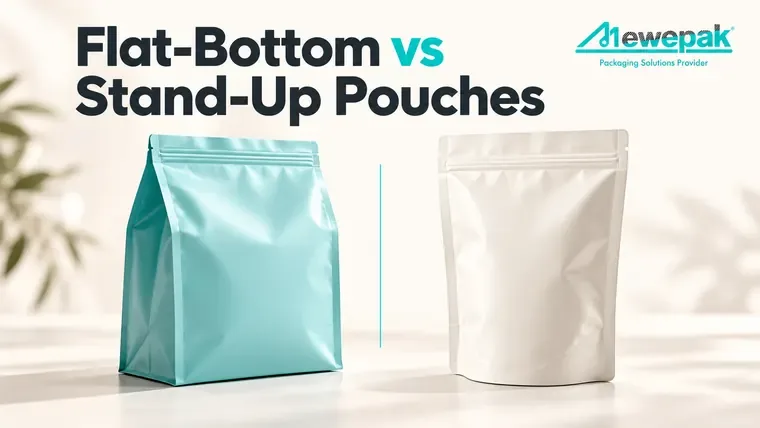
- Stand-up pouch — the retail default. Stands upright with a resealable zipper, ideal for 250g–1kg whole-bean and ground coffee.
- Flat-bottom pouch — a premium box-like base with five printable panels, favored by specialty roasters for a high-end look.
- Side-gusset bag — the classic coffee-brick format, efficient for larger volumes and wholesale.
Match the format to your price point and fill weight, then pair it with the barrier structure and valve your roast schedule requires.
Key takeaways for coffee buyers
- Oxygen is the biggest threat to coffee freshness — prioritize a high oxygen barrier.
- Foil laminates give maximum protection; metalized films offer a lighter, lower-cost option.
- Add a one-way degassing valve whenever you pack near the roast date.
- Choose the format — stand-up, flat-bottom, or side-gusset — to match your price point and volume.
Not sure which structure fits your coffee line? Talk to our packaging team — we help roasters and exporters spec the right barrier, valve, and format for their product and market.
Frequently asked questions
Does all coffee packaging need a degassing valve?
No. A valve is essential when you pack coffee within about two weeks of roasting, because fresh beans off-gas CO2 that would otherwise swell or burst a sealed high-barrier pouch. Fully degassed or long-rested coffee can often be packed without one.
Which barrier film keeps coffee fresh the longest?
Aluminum foil laminate offers the highest barrier, blocking oxygen, moisture, and light almost completely — the best choice for premium whole-bean and long shelf-life exports. Metalized VMPET film is a lighter, lower-cost alternative with strong protection for mainstream retail coffee.
Can I use a clear pouch and still keep coffee fresh?
Yes, with a transparent high-barrier structure such as PET/AlOx. It gives you a product window for shelf appeal while retaining a functional oxygen and moisture barrier, though it will not match the light protection of a full foil laminate.
What is the best pouch size for retail coffee?
A resealable stand-up pouch in the 250g–1kg range is the retail default for whole-bean and ground coffee. Flat-bottom pouches suit premium positioning, while side-gusset bags are efficient for larger wholesale volumes.
Sources & further reading
- U.S. FDA — Food Contact Substances & packaging safety guidance for food-grade films.
- Specialty Coffee Association — green and roasted coffee storage and freshness references.
- Mewepak in-house barrier and laminate specifications for coffee applications.