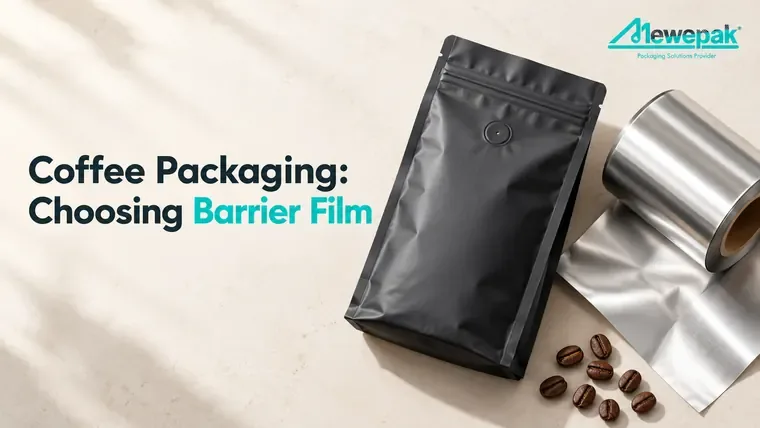
The packaging brief for roasted coffee should begin with the roast-to-pack interval, whether the coffee is whole bean or ground, and how long it will sit in the supply chain before brewing. Those details guide decisions about barrier film, valve, closure, and bag format.
Set a freshness target you can check
Decide what a good cup should taste like at the end of the intended shelf life and after the bag is opened. Record expected warehouse, shelf, and home storage. Oxygen and moisture exposure can change the way coffee tastes and smells. Options that look similar on a data sheet can perform differently once they are made into complete bags with seams, valves, and closures.
Pair the film with the filling method
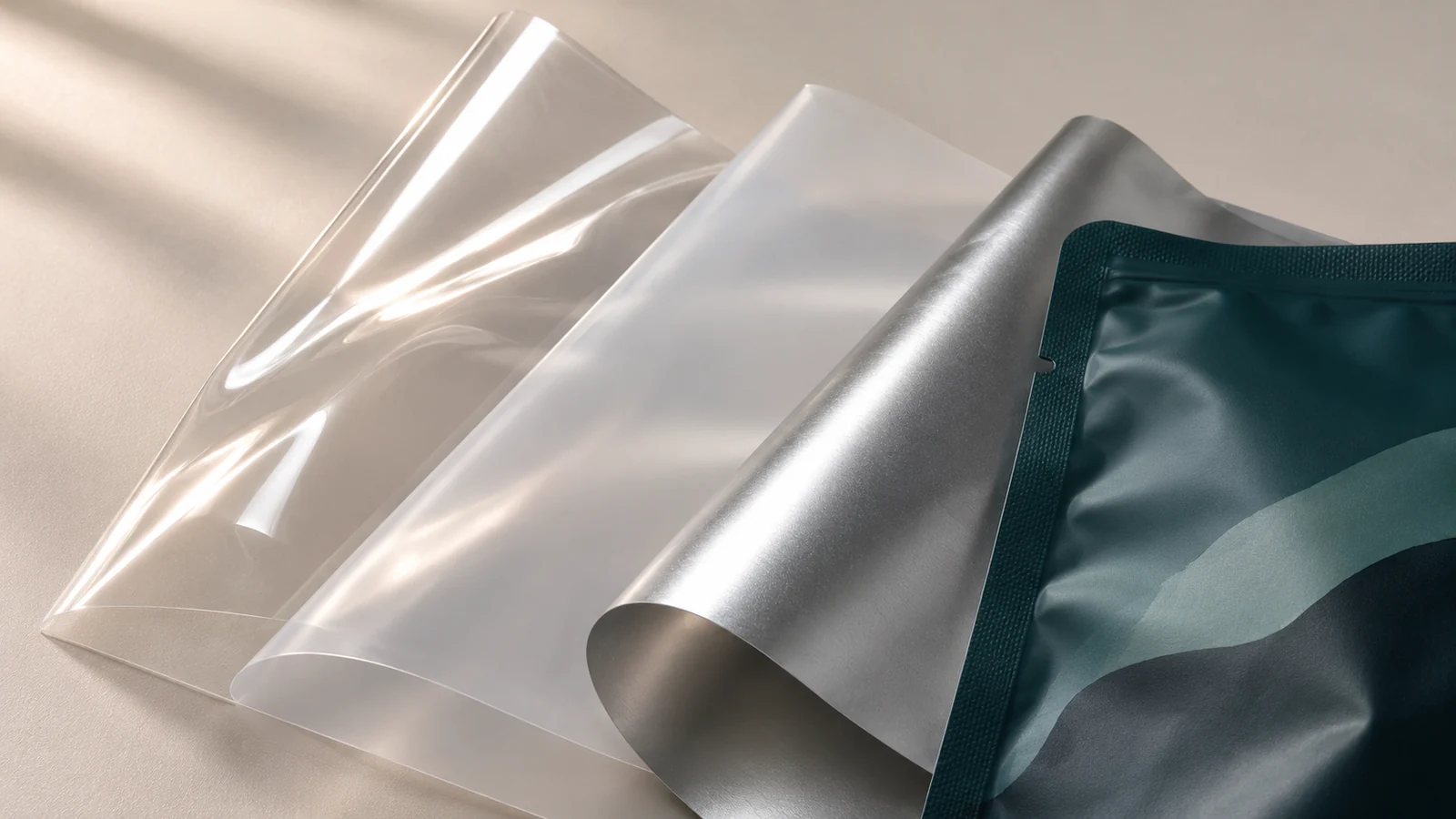
Compare film data using matching temperature, humidity, and units. If the coffee is freshly roasted and still releasing gas, discuss whether a one-way degassing valve is appropriate. If the filling line uses nitrogen flushing, check residual oxygen on the filled line sample and use the same procedure on alternative bags. Confirm that the chosen film and valve arrangement seal consistently on the actual equipment. See the guide to coffee barrier film for details on comparing structures.
Design for the first and the last serving
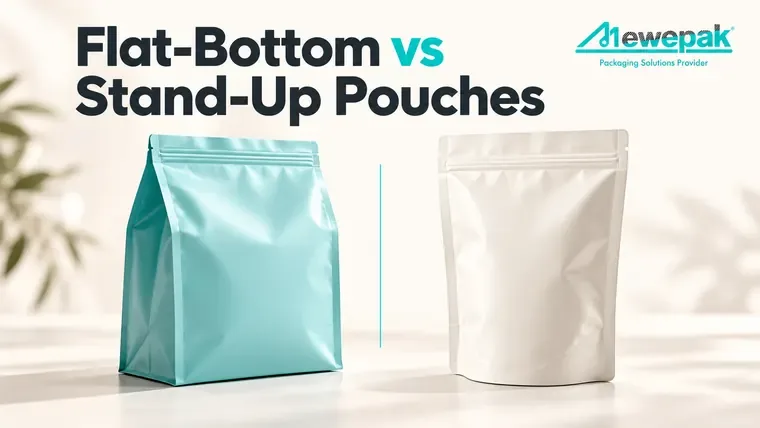
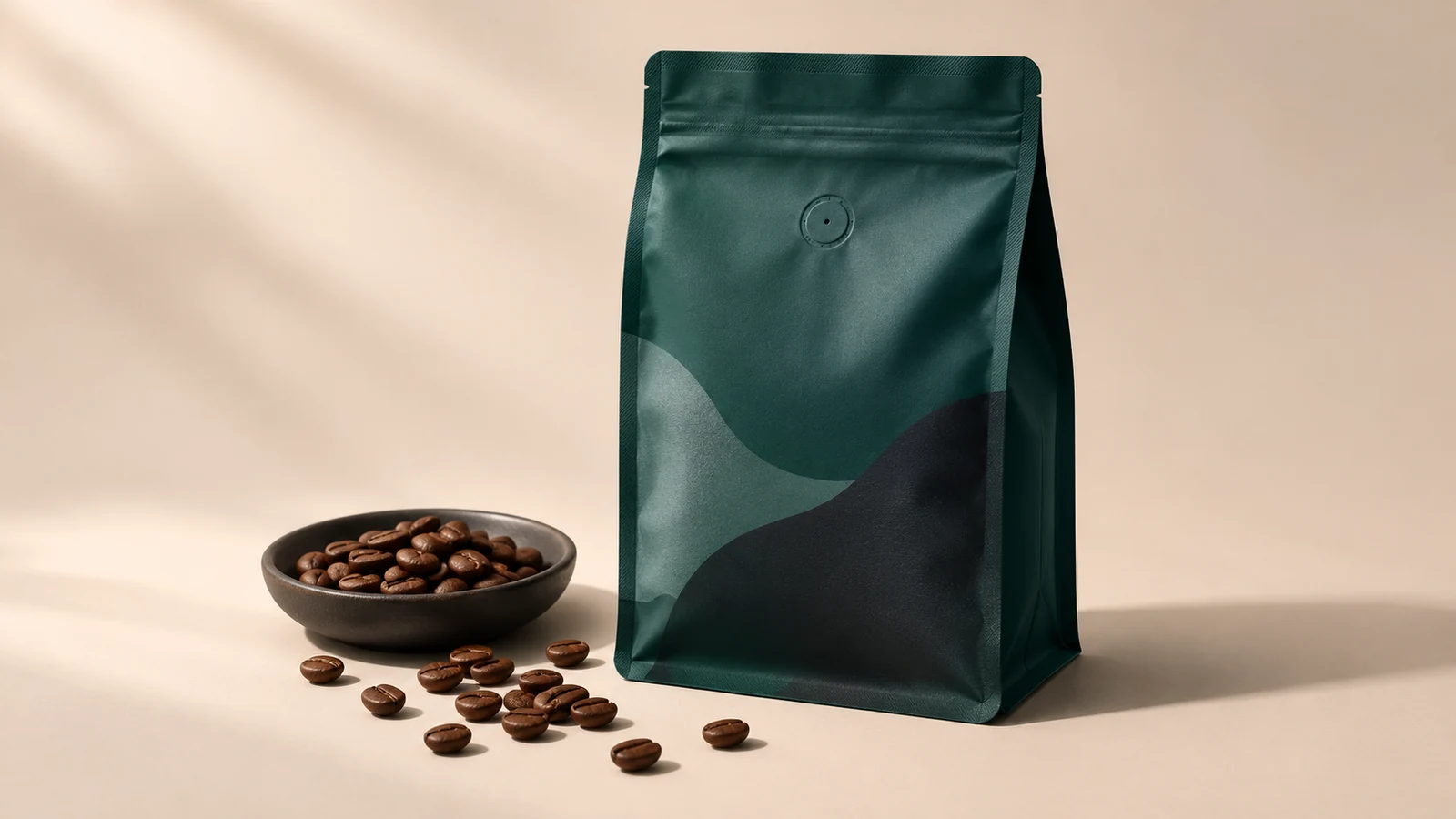
A flat-bottom format can give a specialty coffee pack a structured profile and room for origin information on a side panel. A stand-up pouch can work well where front and back printing carry most of the information. For multi-serve coffee, compare how easy the zipper is to open and press shut after repeated use. Check whether ground coffee collects along the track or whether beans bridge across a narrow opening.
Taste the coffee and inspect the bag at the same checkpoints
Fill samples from the same roast batch. Agree on storage conditions and scheduled sensory checks. At each checkpoint, compare aroma and flavor alongside seal appearance, valve operation, bag swelling, and usability of the zipper. Identify which structure protected the intended experience under your conditions and keep a sample of that bag as a specification reference.
See coffee and tea packaging options for format ideas to take into a trial.