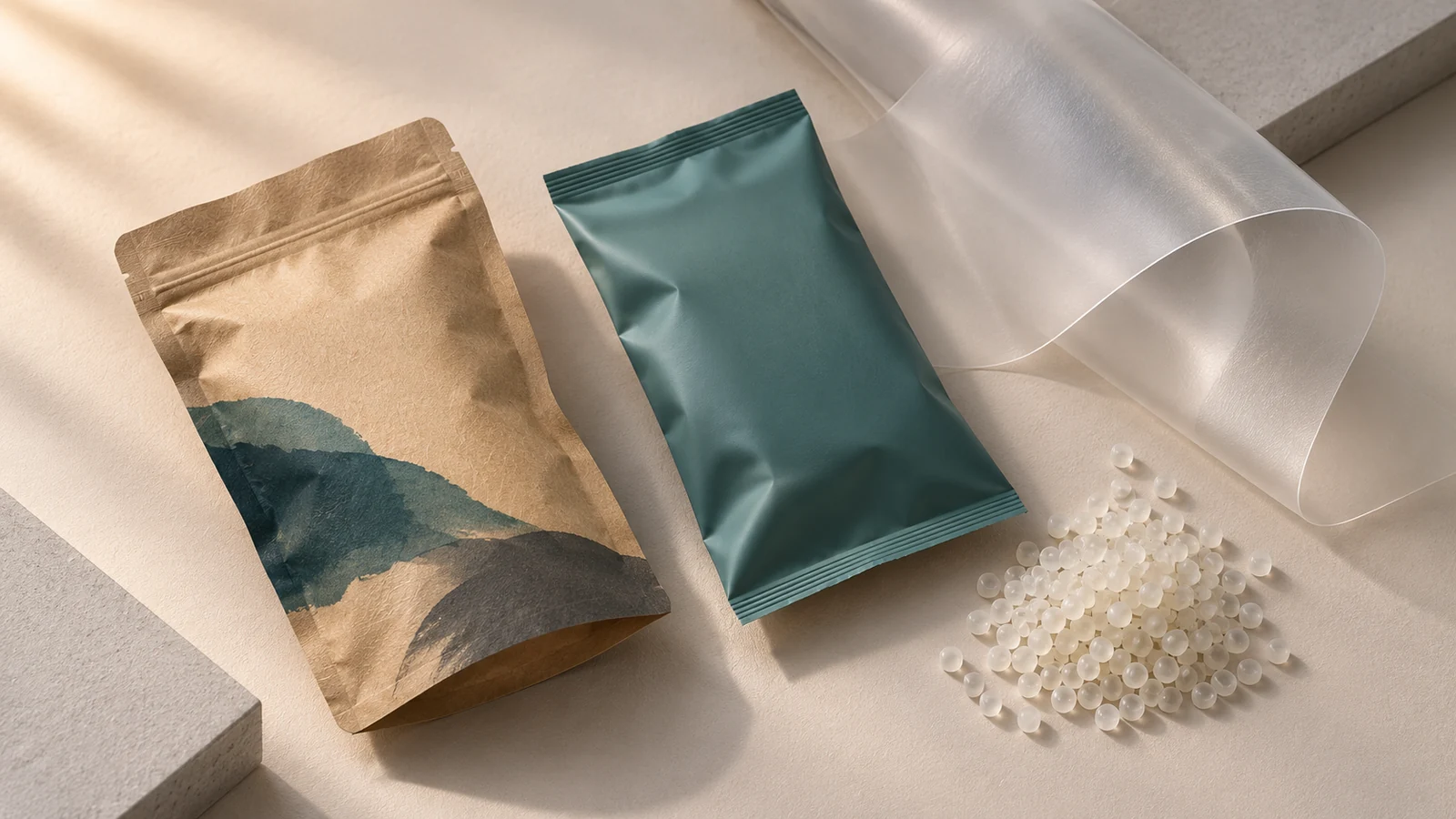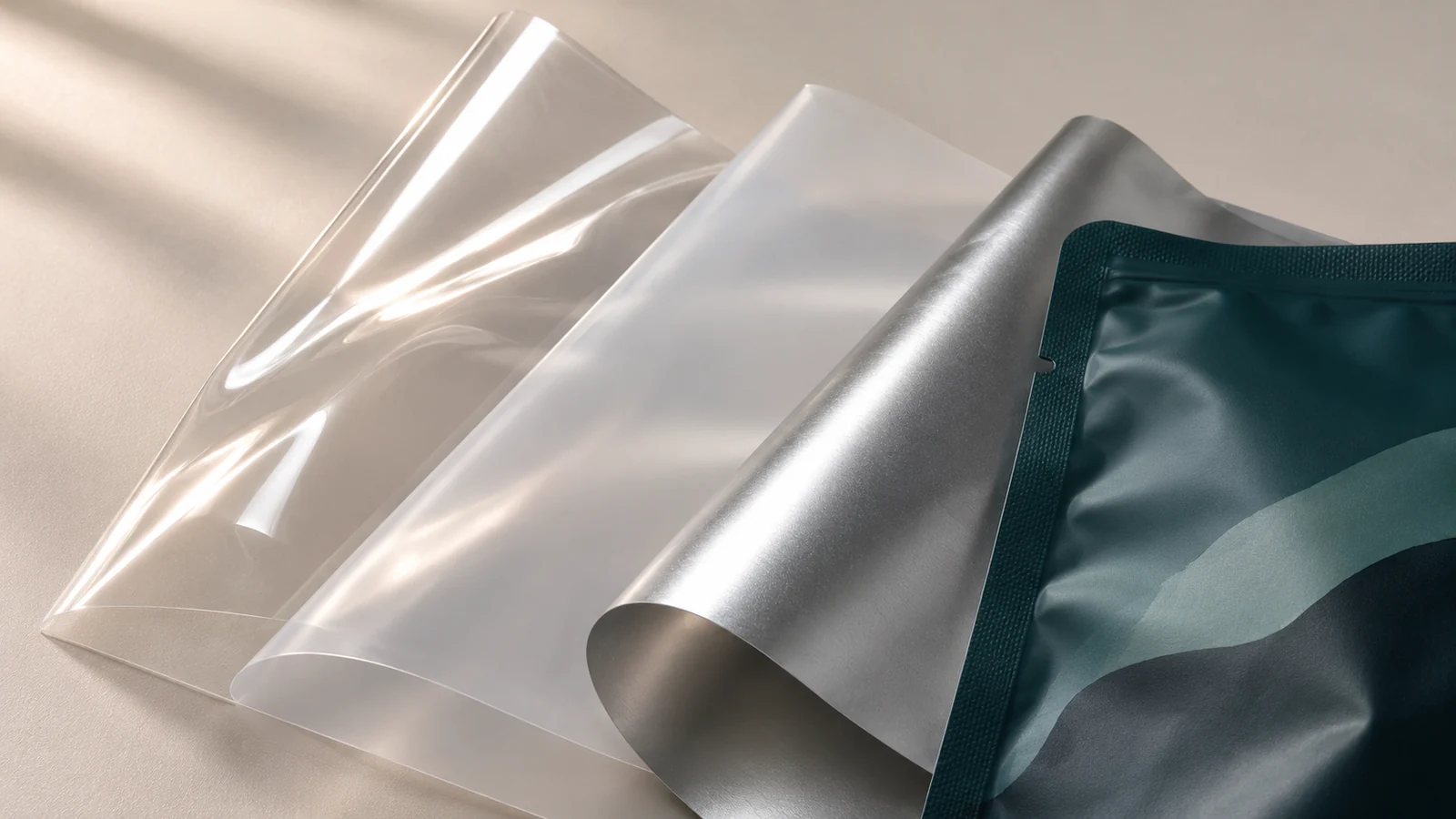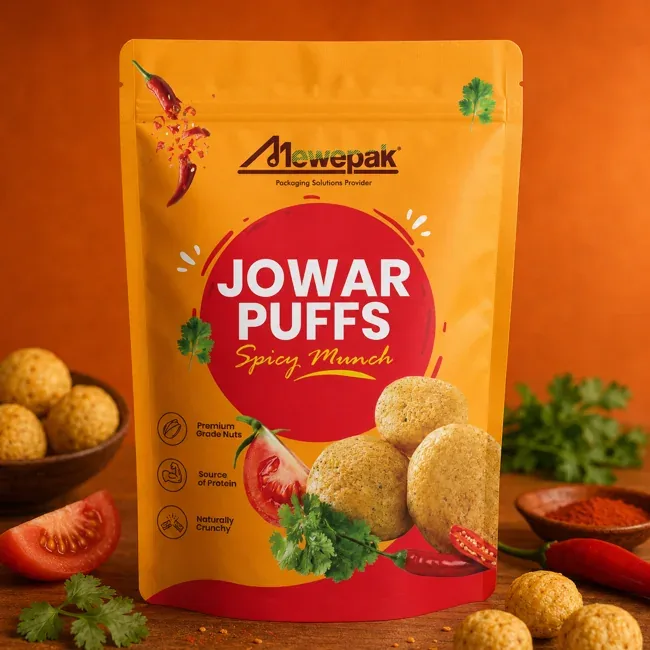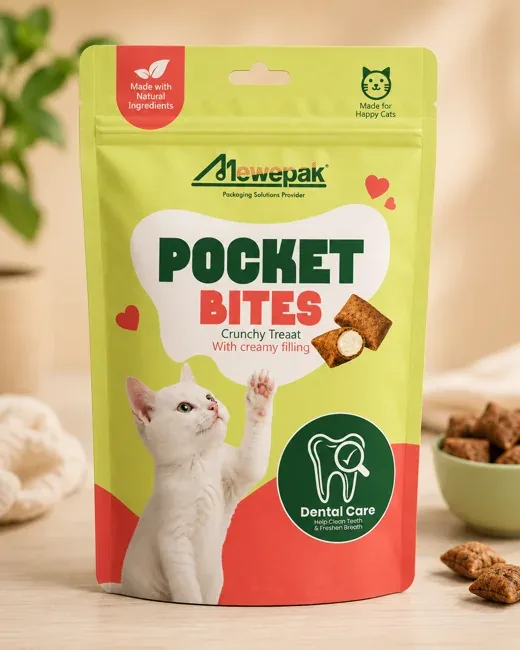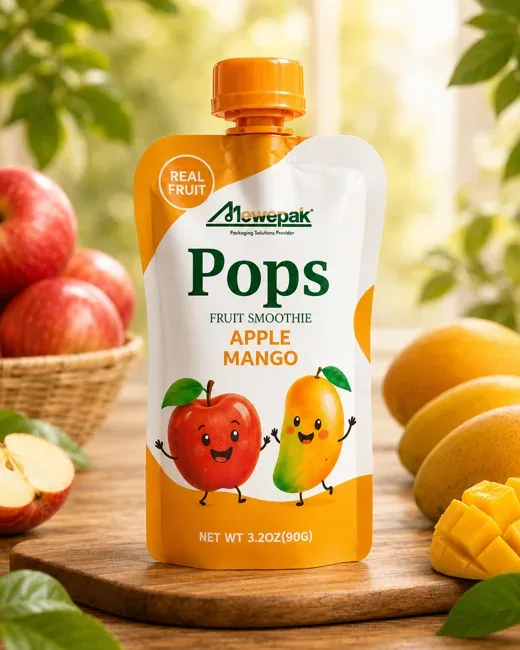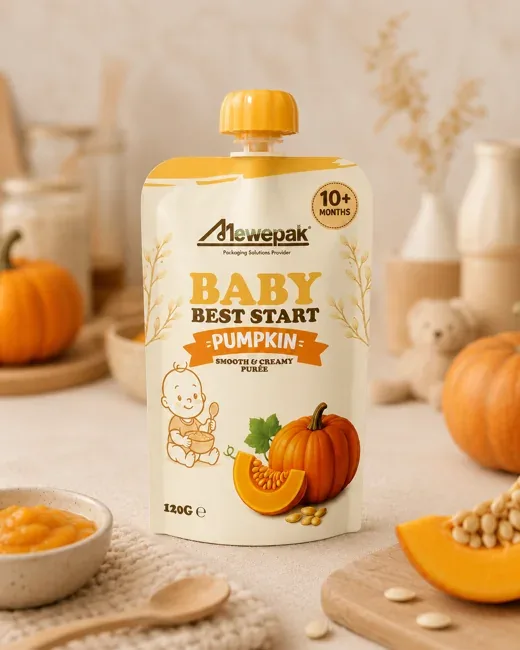
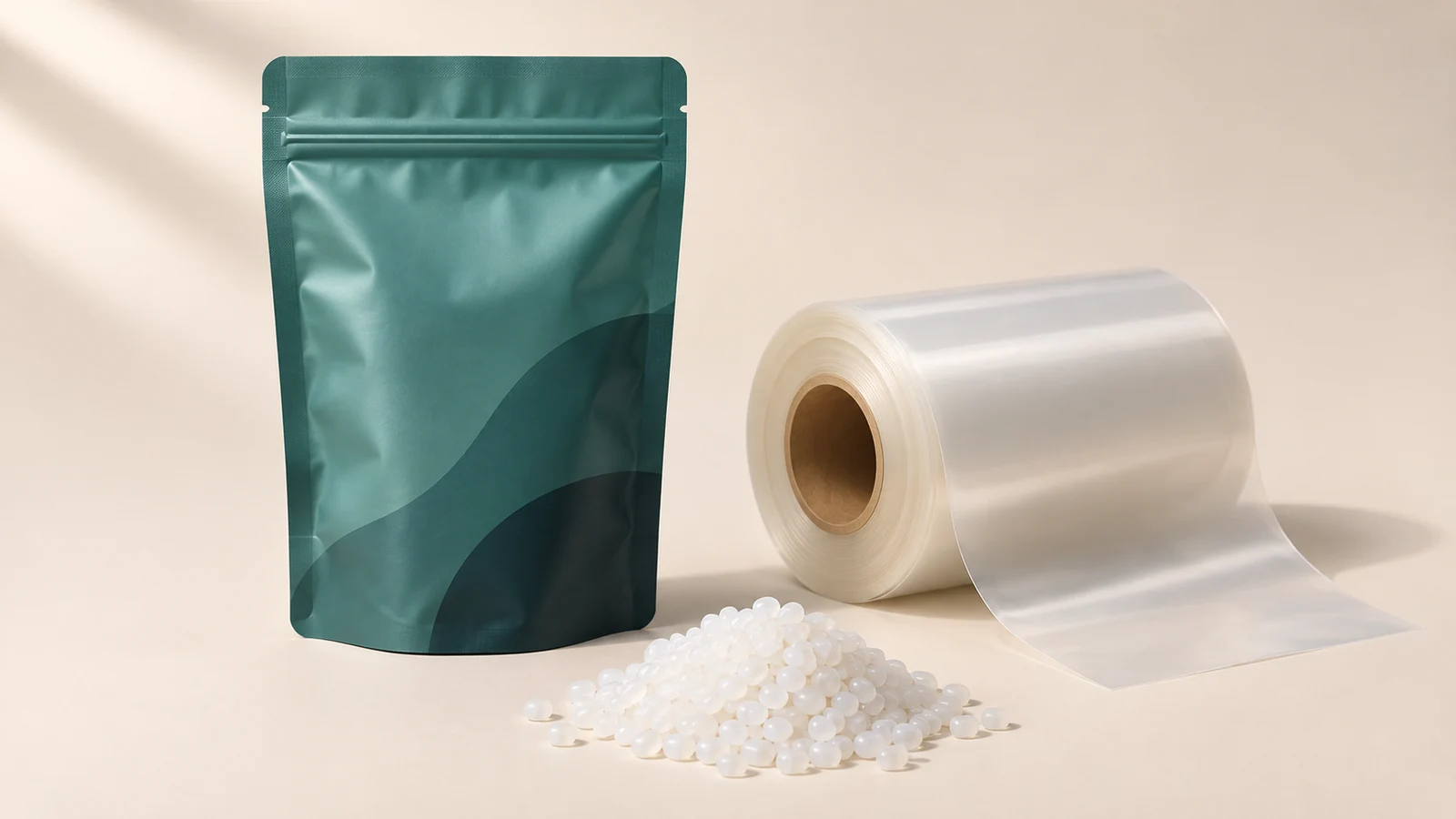
A mono-material design brings the main functional layers of a pouch into one polymer family, such as polyethylene (PE) or polypropylene (PP). The aim is to make the structure a better match for a specified recycling stream. Start with the destination market and the performance of the full package.
Map what goes into the finished pouch
Ask the supplier to document the film layers, coatings, adhesive, inks, and attachments. A zipper, valve, cap, window, or label can affect how the finished pack is assessed. If the design uses a barrier layer outside the main polymer family, ask which tests or design guidance cover the grade and amount in the proposed structure.
Check the collection route where the product is sold
Define the target countries and channels early. In the United States, the How2Recycle Store Drop-off guidance applies to eligible labeled PE film packages taken to participating locations. Check the appropriate local program, assessment, or labeling guidance for each market and keep evidence linked to the exact specification.
Trial the structure on the filling line
Compare the alternative film with the current pack at the intended speed and fill weight. Evaluate how consistently it seals, how the front panel looks, and whether opening and reclosure are acceptable. Test the material with the product at the same storage and handling conditions as the incumbent, especially if the switch changes the barrier, toughness, or stiffness.
Lock in the approved materials and the claim together
Document the film grade and dimensions, the closure and artwork, the test reports, and the assessment that supports any end-of-life claim. Send substitutions through review before accepting them. A new ink, adhesive, or closure can affect both package performance and eligibility for a recycling stream.
See five broader sustainable packaging directions when deciding where to prioritize the next trial.